

Malt: An Essential Ingredient at the Heart of Your Recipes
- Mar 5
- 2 min read
Malt is a key ingredient in beer production — but it is much more than a simple component. It is a processed cereal grain that plays a central role in the brewing process by providing the flavors, fermentable sugars, and nutrients necessary for fermentation.
At Innomalt, we are proud to produce 100% local malt, made from locally cultivated barley and wheat. Here’s an overview of what malt is, how it is produced, and why it is so essential in the world of craft beer.
What Is Malt?
Malt is a cereal grain — most commonly barley, but sometimes wheat, rye, or corn — that has been germinated and then dried. This transformation process activates natural enzymes that later convert the grain’s starches into fermentable sugars.
In other words, malt is the ingredient that makes alcoholic fermentation possible during the brewing process.
Malt contributes to several key aspects of beer, including:
Flavor
Alcohol content (through fermentable sugars)
Color and aroma (through compounds developed during kilning)
Mouthfeel
Foam stability
The Main Production Stages
Malting follows a precise three-step process: steeping, germination, and kilning.
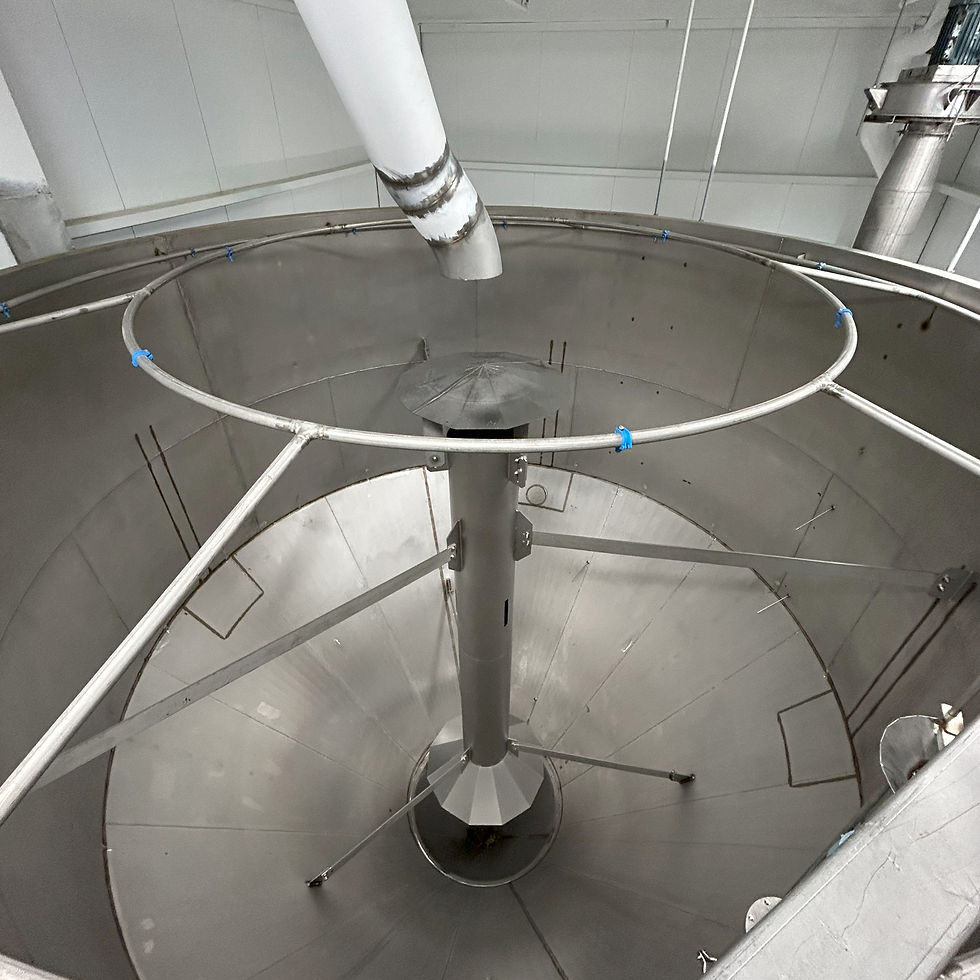
1. Steeping
The barley grain is first cleaned and then soaked in water for 15 to 40 hours. This step rehydrates the grain and initiates germination. By the end of steeping, the grain’s moisture content reaches approximately 45%, naturally activating its internal enzymes.
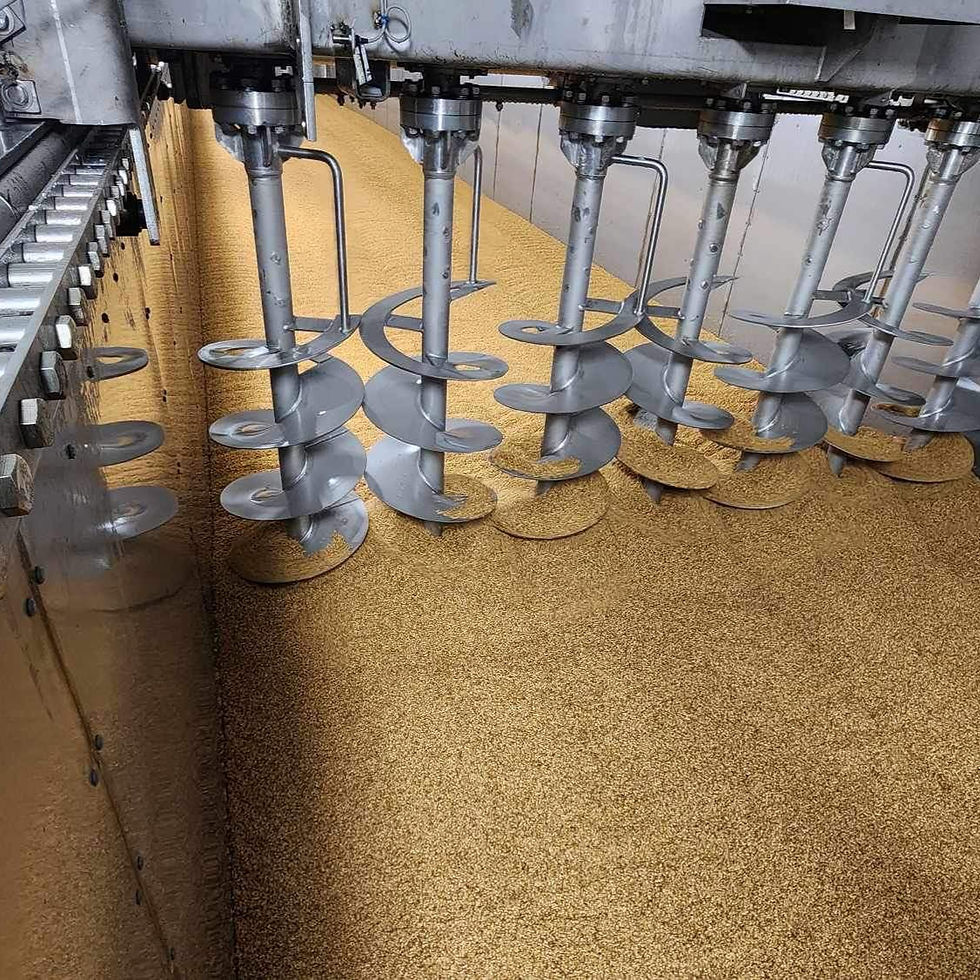
2. Germination
After steeping, the grains are transferred to a temperature-controlled germination vessel. Over 3 to 5 days, the barley begins to sprout: the rootlet develops and, most importantly, natural enzymes (such as amylases) become active.
These enzymes are essential for breaking down starch into simple sugars during brewing.
During this phase, the malt is regularly aerated and turned to prevent clumping and ensure uniform growth.
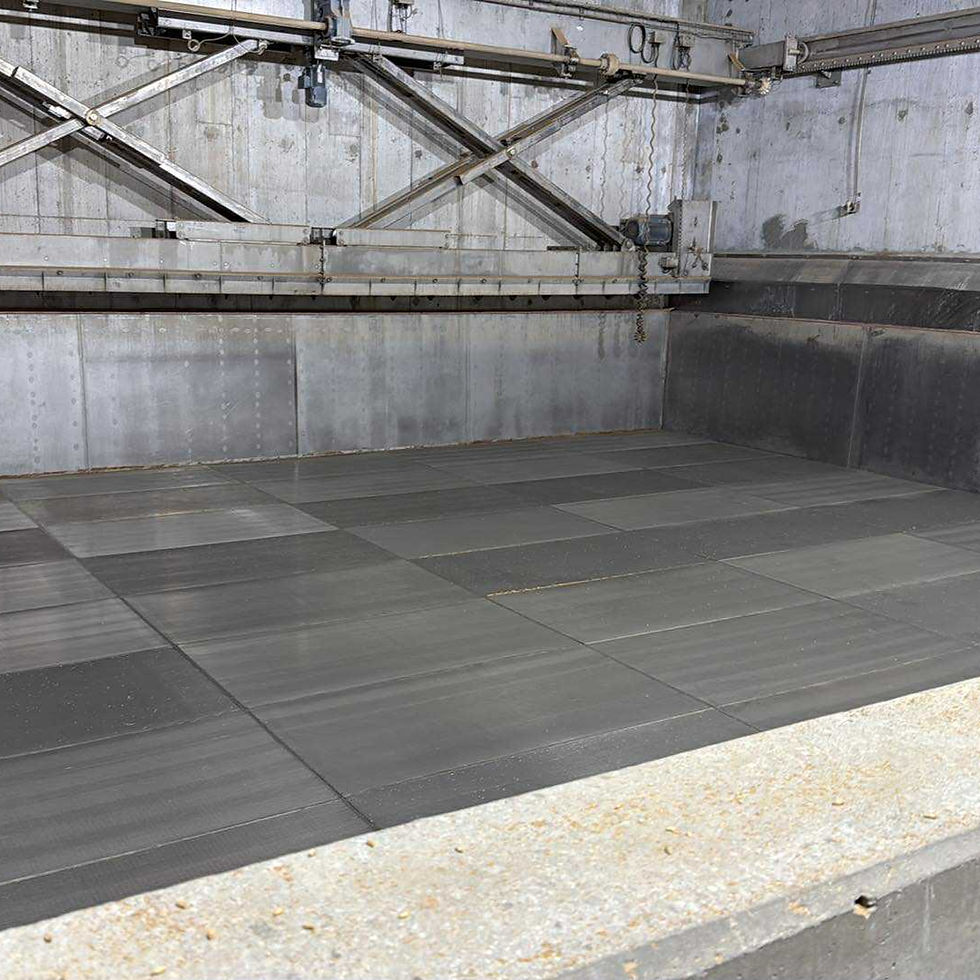
3. Kilning
Once germination is complete, the growth of the rootlet must be halted — this is the purpose of kilning. The grains are dried with warm air in a specialized kiln.
This step:
Reduces moisture content to approximately 4–5%
Stabilizes the enzymatic profile
Develops the characteristic aromas of the malt
The temperature and duration of kilning vary depending on the desired malt style: pale malt, caramel malt, roasted malt, and more. These variations create the remarkable diversity of malts — and therefore beers — available today.
The Innomalt Expertise
At Innomalt, we use only brewing-grade barley.
Our process is built on:
Full traceability, from field to bag
Rigorous quality control
Technical expertise grounded in over 10 years of research and collaboration with local brewers
Our goal is simple: to provide brewers with reliable, locally sourced, premium-quality malt.
Conclusion
Malt is far more than just an ingredient — it is the soul of beer. Its production, at the crossroads of science and craftsmanship, directly influences the quality of the final product.
By choosing high-quality malt, brewers ensure they are creating beers that are distinctive, flavorful, and rooted in their terroir.
→ Are you a brewer looking to learn more about our products?
To request samples or discuss your specific needs, contact our team today.
Sales & Customer Service
Together, let’s showcase and elevate local brewing expertise.